
Precision Planning Meets Visual Storytelling
We crave clear visuals—that’s why demo and explainer videos are so popular, especially animated ones. Animation helps break down complex ideas and make them easier to understand. For new or innovative technologies, 3D animation is even more effective.

PROJECT WORFLOW
1
Initial Brainstorming and Concept Visualization

2
Audience Knowledge Mapping

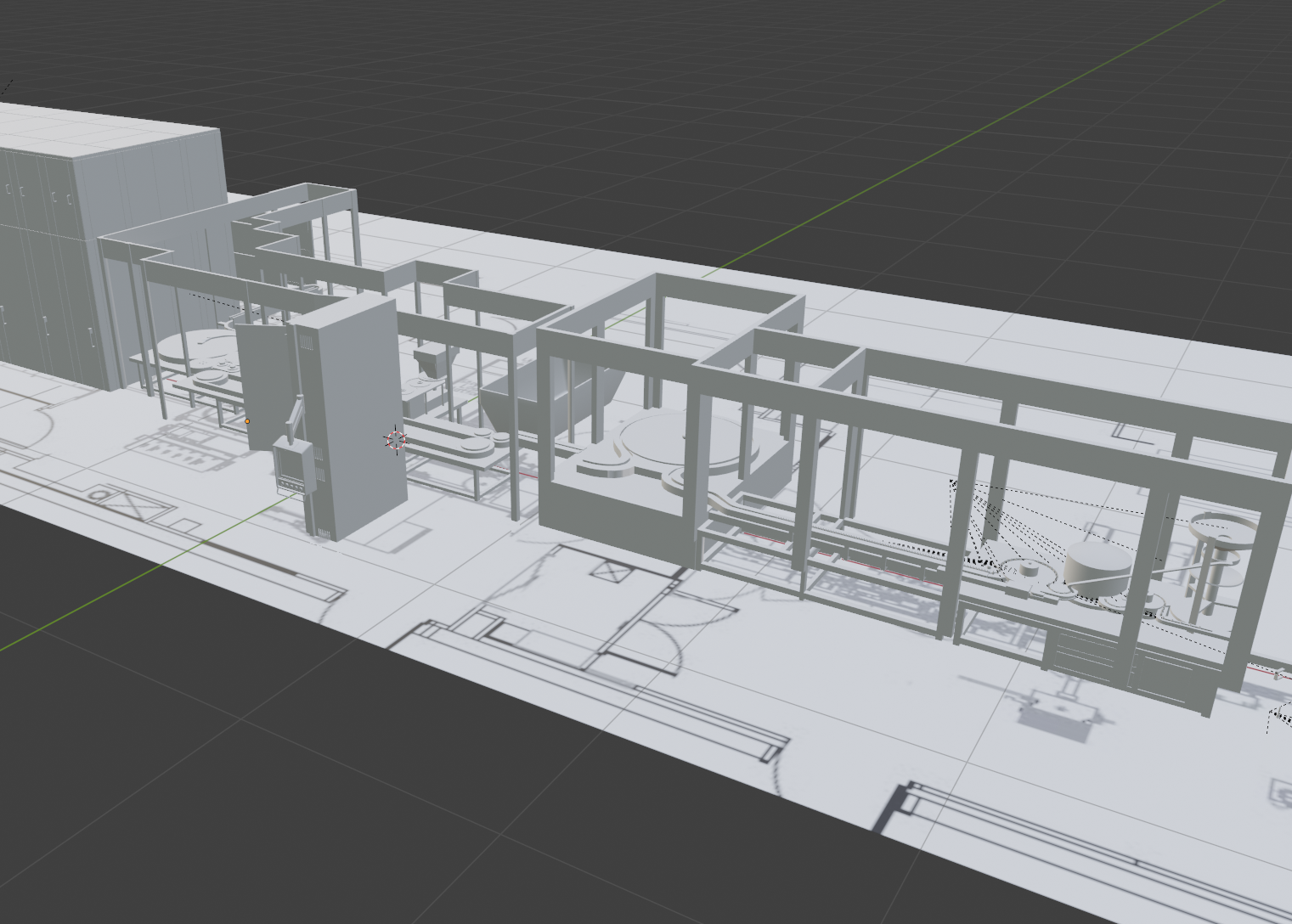
The first model is a very rough rendering. But at this stage, SME review helps us establish the accuracy of the foundational mechanics and visual representation of the technical subject.
It’s time for one final and comprehensive technical review to make sure every mechanical detail is accurate and appropriately represented according to your audience’s knowledge level.
This step brings together your technical subject matter experts (SMEs) and your experts in your target audience, as well as any existing materials like CAD files, manuals, or other visualizations. Together, we align creative vision with technical precision and audience understanding.
Early on, it’s important to define your target audience's technical expertise so we can tailor the complexity and communication approach of the animation to make sure the content resonates with viewers' existing knowledge base.

3
Storyboard Development
The animation is now ready for voiceover recordings, underscoring, or sound effects. And after adding these auditory layers, the last step before publication is your final assessment, any last revisions, and your approval!
5
Prototyping and Iterative Refinement

9
Review & Feedback
This serves as the blueprint for later animation stages. We create a detailed visual narrative that translates complex mechanical operations into intuitive, sequenced storytelling.

4
Initial Modeling Review
This is a dynamic process of continuous model adjustment that incorporates further feedback from SMEs to progressively enhance technical and visual precision.

6
Final Modeling
& Technical
Lockdown

7
Texturing & Lighting
10
Sound Design &
Final Review
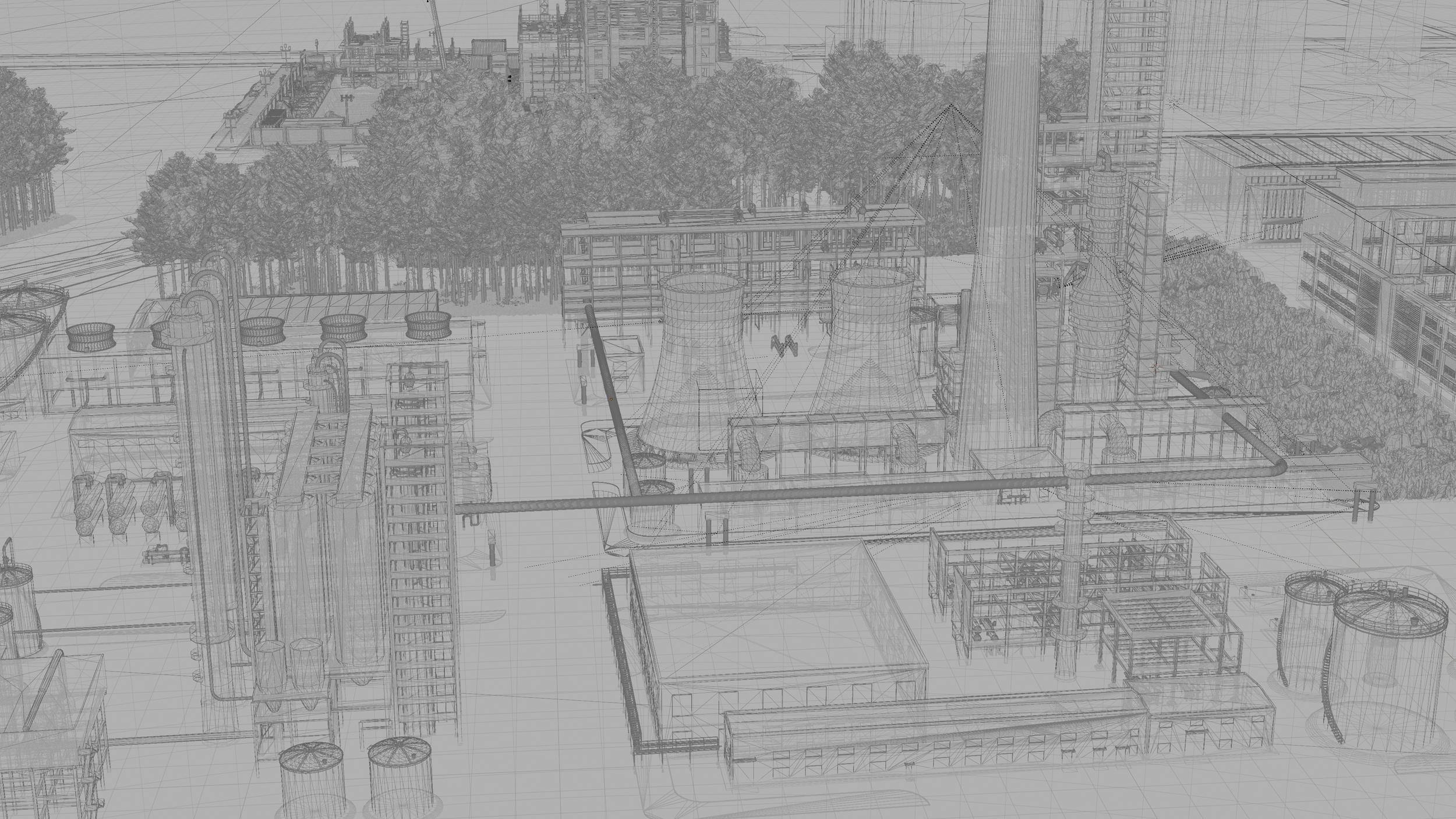
At this stage, we create visual depth and realism through texture application and lighting design, which ultimately enhances audience comprehension and visual engagement.

Now we bring the mechanical functionality of the 3D model to life through dynamic visual storytelling, adding camera angles, movement, and transitions.
We start with initial concept sketches and 3D modeling to establish fundamental mechanical movements.
From there, each iteration introduces incremental improvements like highlighting (or minimizing) operational processes and components, adjusting camera angles and movement, and refining lighting, textures, and colors.
And our clients’ input and feedback are what drive this iterative animation process.

8
Animation
Overlay
Using your feedback, we refine the animation to maximize visual clarity, accuracy, and
audience comprehension

The Proven Process That Accelerates Approvals
Engineering standards for creative services
Whether you’re working on a pharma breakthrough, pioneering cutting edge technology, or scoping out the next campus, we’ve been there before.